Do Dealerships Buy Junk Cars?
Do dealerships buy junk cars? Well, here’s some great news for you! Did you know that your local car dealership might just be interested in buying your junk car?
Yes, that’s right! Contrary to popular belief, dealerships aren’t just about selling brand-new shiny vehicles. In fact, they have started venturing into the world of purchasing junk cars.
So, if you’ve been wondering what to do with that old clunker taking up space in your driveway, buckle up and get ready to learn how dealerships are offering a solution to your junk car dilemma. It’s time to discover the surprising opportunity that awaits you at your nearest dealership!
Table of Contents
Dealerships And Junk Cars
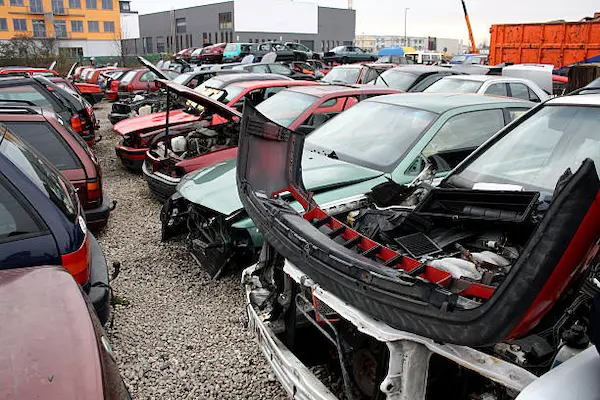
Have you ever wondered why those shiny dealership lots might have a place for junk cars? It’s time to uncover the surprising relationship between dealerships and these seemingly worthless vehicles.
Reasons Why Dealerships May Buy Junk Cars
Dealerships may have several reasons for buying junk cars. Here are 5 common motivations behind their interest in these vehicles:
Refurbishing And Reselling
Some dealerships have their own mechanics or body shops that can repair and refurbish junk cars. After fixing the necessary issues, they can resell these vehicles at a profit.
By purchasing junk cars, dealerships can expand their inventory and offer a range of options to customers, including those looking for more affordable choices.
Salvaging Parts
Junk cars often contain valuable parts that can be salvaged and used for repairs. Dealerships may be interested in acquiring these vehicles to obtain specific components that are in demand.
By harvesting usable parts from junk cars, dealerships can save money on purchasing brand-new parts and offer cost-effective solutions to their customers.
Meeting Customer Needs
Some customers may be specifically searching for budget-friendly options or project cars. By buying junk cars, dealerships can cater to this niche market and attract customers who are looking for affordable vehicles or those interested in restoration projects.
Trade-in Opportunities
Dealerships may accept junk cars as trade-ins when customers are purchasing new or used vehicles. Even if the junk car itself has minimal value, it can still be used to reduce the overall cost of the new purchase.
This provides convenience for customers and allows dealerships to facilitate the sale while potentially salvaging some value from the trade-in.
Building Relationships And Customer Loyalty
By offering to buy junk cars, dealerships demonstrate their willingness to assist customers with all aspects of vehicle ownership. This can help foster trust and build long-term relationships, encouraging customers to return to the dealership for future car-related needs.
Factors Influencing Dealerships’ Decision To Purchase
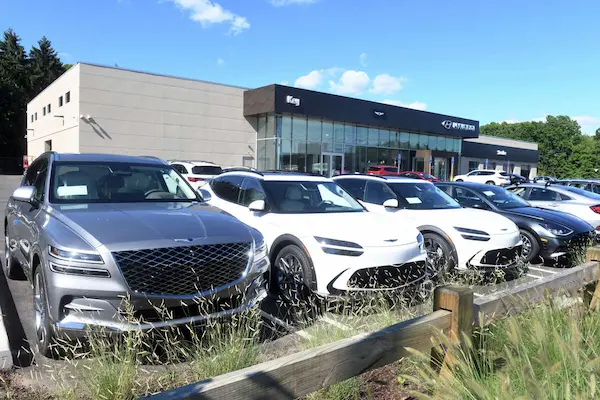
Several factors can influence a dealership’s decision to purchase a junk car. Here are 6 key considerations:
Overall Condition
The condition of the junk car plays a significant role in a dealership’s decision. Dealerships typically look for vehicles that have the potential to be repaired and resold or have valuable salvageable parts.
While dealerships may accept vehicles with various levels of damage, extensive structural damage or irreparable mechanical issues might make the car less appealing.
Make, Model, And Market Demand
The make and model of the junk car can impact its desirability for dealerships. Popular or sought-after brands and models are more likely to attract dealership interest, as there is a higher chance of finding buyers for those vehicles.
Market demand for specific features, configurations, or parts of the junk car also influences a dealership’s decision.
Profitability And Potential Resale Value
Dealerships consider the potential profitability and resale value of a junk car. They assess the estimated costs of repairs or refurbishment required to make the vehicle sellable.
If the anticipated expenses outweigh the potential profit, the dealership may be less inclined to purchase the car. Factors such as mileage, age, and rarity of the vehicle can also impact its resale value.
Availability Of Parts
Dealerships may evaluate the availability and demand for parts from the junk car. If the vehicle has components that are in high demand or difficult to find, it increases the likelihood of the dealership purchasing it.
Salvaging valuable parts can help dealerships save costs on future repairs or attract customers who require those specific parts.
Local Market Conditions
The local market conditions and the dealership’s current inventory also influence their decision. If there is a high demand for certain types of vehicles or a shortage of specific models, dealerships may be more inclined to buy junk cars that meet those criteria.
Additionally, dealerships consider their current inventory and whether adding the junk car aligns with their existing stock and customer preferences.
Operational Capacity
Dealerships assess their operational capacity and resources before deciding to purchase a junk car.
They consider factors such as available space for storage, availability of mechanics or technicians to work on the vehicle, and the time required to refurbish or dismantle the car for parts.
If a dealership is already at maximum capacity or lacks the necessary resources, it may be less likely to buy a junk car.
Benefits And Considerations Of Selling To A Dealership
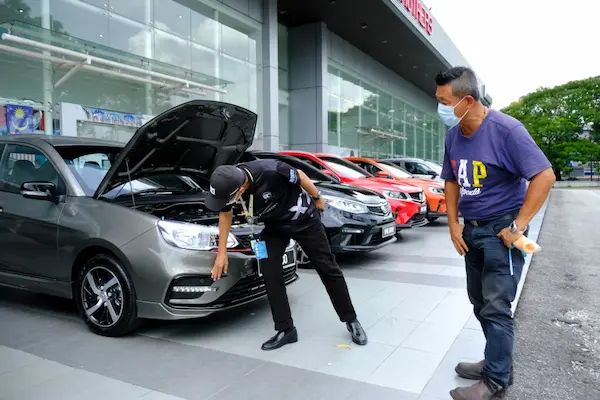
Here are the benefits and considerations of selling to a dealership:
Benefits
Consider these 3 benefits while selling your junk cars to dealers:
Convenience
Selling to a dealership can be convenient and straightforward. They often handle the paperwork and documentation required for the transaction, saving you time and effort. Some dealerships may even arrange towing services for your junk car, further adding to the convenience.
Quick Transaction
Dealerships are experienced in buying and selling vehicles, including junk cars. They typically have efficient processes in place, allowing for quicker transactions compared to other selling methods. You can expect a relatively smooth and expedited sale when dealing with a dealership.
Fair Price
While the price offered by a dealership for a junk car may not be as high as selling to a private buyer, they usually provide a fair value based on the condition of the vehicle and its salvageable parts. Dealerships consider the market value and potential resale value of the car when determining their offer.
Considerations
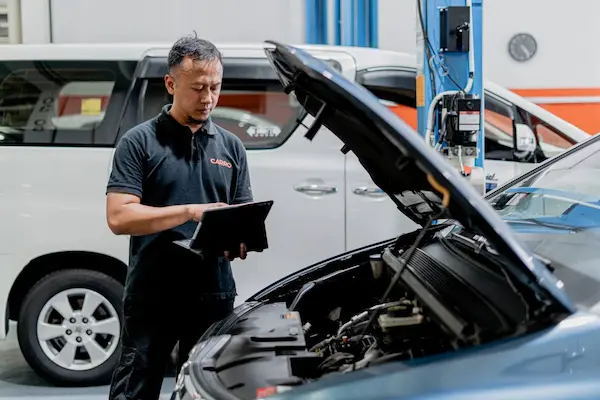
In terms of selling your junk car, you should consider these 4 things:
Lower Price Compared To Other Options
Selling to a dealership might not fetch the highest price for your junk car. Since dealerships aim to make a profit from reselling or salvaging the vehicle, they factor in the costs of repairs or refurbishment when determining the price.
If maximizing your financial return is a priority, exploring other selling options like private buyers or online platforms may yield better results.
Negotiation Opportunities
While some dealerships may be open to negotiation, others might have less flexibility in adjusting the price. Dealerships have their own margins and considerations, so the room for negotiation can vary. It’s still worth attempting to negotiate and explore multiple dealership offers to find the best deal.
Limited Selling Options
Not all dealerships may be interested in purchasing junk cars. Their primary focus is typically on selling new or used vehicles in good condition. Therefore, finding a dealership that specifically buys junk cars might require some research and inquiry.
Other Selling Options
It’s important to consider other selling options available to you. Private buyers, online platforms, or classified ads may provide opportunities for higher offers, especially if your junk car has unique qualities or valuable salvageable parts. Exploring multiple avenues can help you make an informed decision about the best option for selling your junk car.
Alternatives To Dealerships

While dealerships are a common option for selling your junk car, there are alternative paths worth considering. In this section, we’ll explore two such alternatives: selling to local junkyards and scrapyards.
Local Junkyards And Scrapyards
Local junkyards and scrapyards specialize in buying and dismantling vehicles for scrap metal or salvageable parts. Selling to these establishments has its own set of advantages and disadvantages.
Pros Of Selling To Junkyards
- Quick transactions: Junkyards often offer speedy and straightforward transactions, allowing you to sell your car swiftly.
- Immediate payment: Depending on the junkyard, you may receive cash payment on the spot, providing immediate financial benefit.
- Convenient location: Local junkyards are typically nearby, making it easier to transport your junk car for sale.
Cons Of Selling To Junkyards
- Lower prices: Junkyards tend to offer lower prices compared to other options, as they primarily focus on the scrap metal value or salvageable parts of the vehicle.
- Additional towing costs: You may be responsible for arranging and covering the cost of towing your junk car to the junkyard.
- Limited negotiation opportunities: Negotiation options with junkyards may be more limited compared to other potential buyers.
Environmental Impact Considerations
When considering selling to junkyards or scrapyards, it’s important to take into account the environmental impact of the process.
Responsible Disposal And Recycling
Choose junkyards that prioritize proper disposal and recycling methods. Look for facilities that adhere to environmentally-friendly practices to minimize the impact on the ecosystem.
Recycling Of Valuable Materials
Selling your car to a junkyard ensures that valuable materials, such as scrap metal and recyclable parts, are recovered and reused, contributing to resource conservation.
Online Platforms And Classifieds
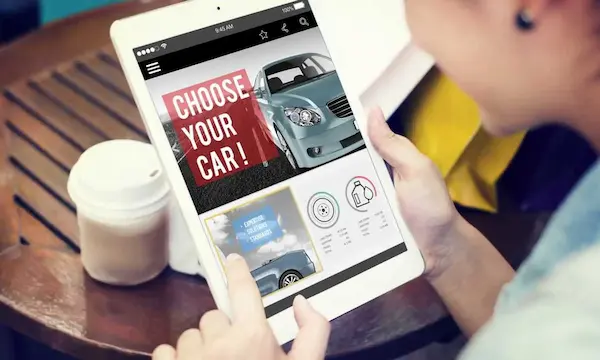
In addition to local junkyards and scrapyards, online platforms and classifieds provide another avenue for selling your junk car. These digital platforms offer a wider reach and the potential to connect with buyers who are specifically looking for junk cars or parts.
Popular Online Platforms For Selling Junk Cars
- CarMax: CarMax is a well-known online platform that buys cars in various conditions, including junk cars. They have a streamlined process and multiple locations for convenient transactions.
- AutoTrader: AutoTrader is a popular website where you can list your junk car for sale. It attracts a large number of potential buyers and offers tools to help you create appealing listings.
- Facebook Marketplace: Facebook Marketplace is a free platform where you can list your junk car and reach a local audience. It provides a convenient way to connect with potential buyers in your area.
Tips For Safe Online Transactions
When selling your junk car through online platforms, it’s important to prioritize safety and protect yourself during the transaction. Here are some tips:
- Deal with reputable buyers: Verify the credibility of potential buyers by researching their profiles, ratings, and reviews. Focus on buyers with positive feedback and a history of successful transactions.
- Meet in safe locations: When meeting with a potential buyer, choose public, well-lit locations for the transaction. Consider bringing a friend or family member with you for added security.
- Trust your instincts: If something feels off or suspicious during the communication or negotiation process, trust your instincts and proceed with caution. Be wary of any requests for personal or financial information that seems unnecessary.
- Secure payment method: Determine a secure payment method that works for both parties. Cash is often the most straightforward option, but alternatives like secure online payment services or certified checks can also be considered. Avoid sharing sensitive financial information without adequate safeguards in place.
- Thoroughly describe the condition: Provide accurate and detailed information about the condition of your junk car in your online listing. Include clear photos from different angles to give potential buyers a comprehensive view of the vehicle.
Charitable Donations And Tax Benefits
If selling your junk car is not a priority and you want to contribute to a charitable cause, donating it to a registered nonprofit organization can be a viable option.
By donating your junk car, you may be eligible for tax benefits, such as a deduction on your tax return. Before making a donation, research and ensure that the organization is legitimate and registered with the appropriate authorities.
Consult with a tax professional to understand the specific tax benefits available to you based on your location and circumstances.
Tips For Selling To A Dealership
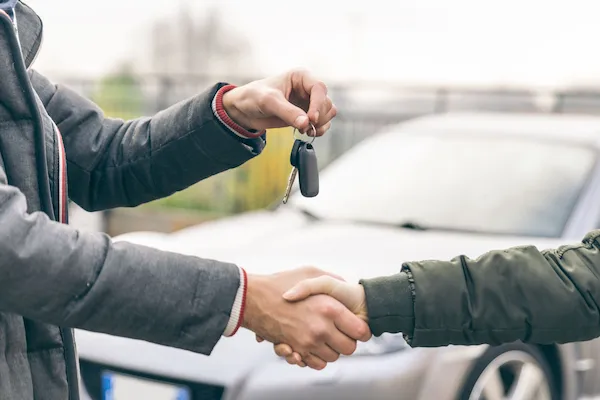
Selling your car to a dealership can be a convenient and efficient way to part ways with your vehicle. Consider the following 4 tips to ensure a successful transaction:
Researching Dealerships And Their Criteria
Before approaching a dealership, conduct thorough research. Look for dealerships that actively buy used cars or specifically mention their interest in purchasing vehicles, including junk cars.
Consider their reputation, customer reviews, and any specializations they may have. Understanding a dealership’s criteria and preferences will help you target the right buyer.
Preparing The Necessary Paperwork For A Smooth Transaction
Gather and organize all the necessary paperwork related to your car. This typically includes the vehicle title, registration, maintenance records, and any other relevant documentation.
Having these documents readily available will streamline the selling process and instill confidence in the dealership about the car’s history and ownership.
Negotiating A Fair Price
Be prepared to negotiate with the dealership. Research the market value of your car beforehand, considering factors such as its make, model, year, condition, and mileage.
Armed with this knowledge, you can confidently negotiate a fair price. Consider multiple offers from different dealerships to determine the best deal.
Finalizing The Deal
Once you have reached an agreement on the price, carefully review the terms and conditions of the transaction. Understand any additional fees, warranty or return policies, and payment methods available.
Be prepared to sign the necessary paperwork to transfer ownership of the vehicle. Take note of any specific instructions regarding the transfer process, such as canceling insurance or notifying the Department of Motor Vehicles (DMV).
FAQs
1. How Do Dealerships Decide If They’ll Buy A Junk Car?
Dealerships consider factors like condition, make/model, market demand, profitability, and operational capacity when deciding to purchase a junk car.
2. Do Dealerships Have Specific Requirements For Buying Junk Cars?
Yes, dealerships have specific requirements based on condition, make/model, market demand, profitability, and inventory considerations.
Do Dealerships Buy Junk Cars: Final Words
In conclusion, the answer to the question “Do dealerships buy junk cars?” is a resounding “Yes.” While dealerships primarily focus on selling new or used cars in good condition, many are willing to purchase junk cars under specific circumstances.
They may see potential in refurbishing and reselling the vehicles, salvaging valuable parts, or catering to customers looking for more affordable options.
Factors such as the condition, make/model, market demand, profitability, and operational capacity influence dealerships’ decisions to buy junk cars.
However, it’s important to weigh the benefits and considerations of selling to a dealership against other alternatives like local junkyards, online platforms, or charitable donations.
By understanding the options available and conducting thorough research, you can make an informed choice that aligns with your priorities and goals when parting ways with your junk car.