Can I Junk A Car With Expired Registration?
Are you stuck with an old vehicle gathering rust in your backyard, and thinking “Can I junk a car with expired registration?” Don’t let it be a roadblock to your progress any longer!
In this guide, we’ll navigate through the necessary steps, legalities, and potential options available to turn that clunker into cold, hard cash.
So, let’s get ready to hit the salvage yards, as we explore the world of junking a car with expired registration and discover the straightforward path to bid farewell to your four-wheeled companion.
Table of Contents
Vehicle Registration Basics
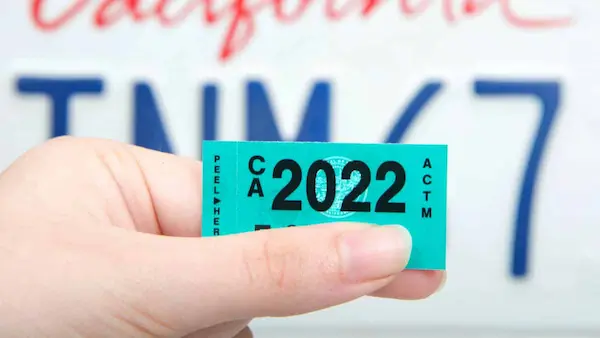
Vehicle registration is a crucial aspect of owning and operating a vehicle. It serves as an official document issued by the government that certifies a vehicle’s ownership and provides important information about the vehicle and its owner.
Understanding vehicle registration and its implications is essential for every vehicle owner to ensure compliance with legal requirements and avoid potential penalties.
Understanding Vehicle Registration
Vehicle registration involves the process of officially documenting a vehicle with the relevant government authorities. It typically includes providing details such as the vehicle’s make, model, year of manufacture, vehicle identification number (VIN), and the owner’s information.
This information is recorded in a centralized database, allowing authorities to monitor and regulate vehicle ownership and usage.
The registration process varies by jurisdiction, but it usually requires submitting the necessary documents, such as proof of ownership, proof of insurance, and payment of registration fees.
Once the registration is complete, the vehicle is issued a license plate and a registration certificate, which serves as proof of legal ownership.
Implications Of Expired Registration
Allowing your vehicle registration to expire can have various implications, both legal and practical. Here are 4 important considerations:
Legal Consequences
Operating a vehicle with expired registration is against the law in most jurisdictions. Law enforcement agencies have the authority to issue citations or fines for driving an unregistered vehicle.
Repeat offenses or prolonged periods of expired registration may result in more severe penalties, such as impoundment of the vehicle or suspension of driving privileges
Increased Financial Burden
In addition to potential fines, allowing your registration to expire can lead to increased costs. Some jurisdictions impose late fees or penalties for renewing registration after the expiration date.
Moreover, if your vehicle is involved in an accident while the registration is expired, insurance companies may deny coverage, leaving you liable for all damages and potentially facing legal consequences.
Limited Driving Privileges
Operating a vehicle with an expired registration may result in restricted driving privileges. Some jurisdictions may suspend your driver’s license or vehicle registration until the registration is renewed.
This can severely impact your ability to commute, travel, or carry out routine activities dependent on personal transportation.
Difficulty Selling Or Transferring Ownership

Expired registration can create hurdles when trying to sell or transfer ownership of a vehicle. Prospective buyers may hesitate or negotiate lower prices due to the additional effort and costs associated with renewing the registration.
It is generally recommended to keep your registration up to date to avoid potential complications during the sale or transfer process.
Legal Aspects Of Junking An Expired Car
It is crucial to familiarize yourself with the specific laws and regulations in your jurisdiction when junking an expired car. Local authorities, the Department of Motor Vehicles (DMV), or environmental agencies can provide detailed information and guidance on the legal requirements and procedures to follow.
General Legal Requirements For Junking
When it comes to junking an expired car, there are some general legal requirements that apply in most jurisdictions. These requirements aim to ensure proper disposal of the vehicle and protect the environment. While the specifics may vary, here are 4 common considerations
Proof Of Ownership
As the owner of the vehicle, you must provide proof of ownership when junking a car. This typically involves presenting the vehicle’s title or certificate of ownership to the relevant authorities or junkyard.
Vehicle Inspection
In some cases, the vehicle may need to undergo an inspection to determine its condition and suitability for junking. This inspection is usually conducted by authorized personnel or facilities designated by the authorities.
Transfer Of Ownership
Once the vehicle is deemed suitable for junking, you may be required to transfer the ownership officially. This involves signing over the title or certificate of ownership to the junkyard or scrapyard, effectively transferring the legal responsibility of the vehicle to them.
Release Of Liability
To protect yourself from any future legal or financial responsibility associated with the junked vehicle, it is essential to complete a release of liability form. This form states that you are no longer liable for the vehicle and any subsequent actions or consequences related to it.
Specific Laws For Expired Registration Junking
In some jurisdictions, there may be specific laws or regulations that pertain to junking a vehicle with expired registration. These laws are typically in place to prevent the abandonment of vehicles on public or private property and address any potential safety or environmental concerns. Here are 4 examples of specific laws that may apply:
Vehicle Impoundment
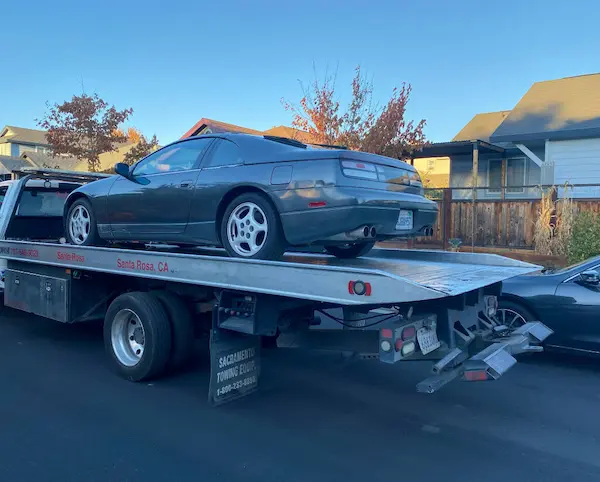
If a vehicle is found with expired registration and deemed abandoned, authorities may have the power to impound the vehicle. The owner would then be responsible for the associated impound fees and any other penalties or fines.
Abandoned Vehicle Laws
Some jurisdictions have specific laws regarding the disposal of abandoned vehicles. These laws may outline the process for reporting an abandoned vehicle and the actions that authorities can take to remove and dispose of such vehicles.
Environmental Regulations
When junking a vehicle, it is important to follow proper environmental regulations. This may include draining fluids, removing hazardous materials, and recycling or disposing of vehicle components in an environmentally responsible manner.
Penalties For Non-Compliance
Failure to comply with specific laws regarding junking an expired car can result in penalties or fines. These penalties may vary depending on the jurisdiction and the severity of the violation
Process Of Junking A Car With Expired Registration
Junking a car with expired registration involves several steps, from finding a suitable junkyard to completing the necessary paperwork. Here’s a breakdown of the process:
Initial Steps
Research And Find A Junkyard
Look for reputable junkyards or scrap yards in your area that accept cars for junking. You can search online directories, ask for recommendations, or contact local salvage yards.
Obtain Multiple Quotes
Contact different junkyards to get quotes for your car. Provide them with accurate details about the car’s condition, make, model, and any valuable components that may affect the price.
Required Documents And Preparation
Proof Of Ownership
Locate and gather the vehicle’s title or certificate of ownership. If you cannot find it, contact your local Department of Motor Vehicles (DMV) to obtain a duplicate title or the necessary paperwork for junking the car.
Release Of Liability
Prepare a release of liability form, which transfers the
legal responsibility of the vehicle to the junkyard. Some junkyards may have their own form, or you can find generic templates online. Make sure to sign and date the form.
Remove Personal Belongings
Before the junkyard picks up the car, thoroughly remove any personal belongings and conduct a final check to ensure nothing is left inside
Final Steps
Arrange Transportation
Coordinate with the junkyard to schedule a time for them to pick up the car. Some junkyards provide towing services, while others may require you to arrange transportation to their location.
Vehicle Transfer
When the junkyard arrives, provide them with the necessary documents, including the title and release of liability form. Sign any additional paperwork they require for their records.
Payment
Once the junkyard inspects the car and verifies the paperwork, they will provide payment. The amount will depend on factors such as the car’s condition, market value of salvageable parts, and current scrap metal prices. Payment can be in the form of cash, check, or electronic transfer, as agreed upon.
Receive Receipt
Ensure you receive a receipt or documentation indicating the sale of the vehicle. This serves as proof that you have legally transferred ownership and released liability for the car.
Notify The DMV
Contact your local DMV to inform them about the junking of the car. Provide them with the necessary information and documentation as per their requirements. This step is crucial to avoid future liabilities or complications.
Pros And Cons Of Junking A Car With Expired Registration
Junking a car with an expired registration can have both advantages and disadvantages. Understanding these factors can help you make an informed decision. Here are the pros and cons:
Advantages Of Junking A Car With Expired Registration
Get Rid Of An Unwanted Vehicle

If you have an old, non-functional, or unwanted car with an expired registration, junking it allows you to remove the vehicle from your property. This frees up space and eliminates the hassle of dealing with a car that you no longer need or want.
Potential Monetary Gain
While the amount you receive for junking a car will vary depending on factors such as its condition, make, model, and local market conditions, you can still receive some cash for a vehicle that might otherwise be considered worthless. The payment received can be used towards a new vehicle or other financial needs.
Environmental Benefits
Junking a car ensures proper disposal of its components, including hazardous materials like fluids and batteries. Reputable junkyards follow environmentally responsible practices, recycling usable parts and disposing of non-recyclable materials in compliance with relevant regulations.
Legal And Practical Disadvantages
Transfer Of Ownership And Liability
When you junk a car with an expired registration, it’s crucial to properly transfer the ownership and liability to the junkyard. If this process is not carried out correctly, you may still be legally responsible for the vehicle, including any fines, accidents, or other issues associated with it.
Potential Scams Or Unscrupulous Practices
Unfortunately, there are cases of fraudulent or unscrupulous junkyards that may try to take advantage of car owners. It’s essential to research and chooses a reputable junkyard to avoid potential scams and ensure a fair and transparent transaction.
Limited Value
In some cases, the value of a junked vehicle may be lower than expected. Factors such as high demand for scrap metal, low market prices, or the condition of the car can affect the amount you receive. It’s important to have realistic expectations regarding the financial gain from junking an expired car.
Tips To Minimize Potential Issues
Research And Choose A Reputable Junkyard
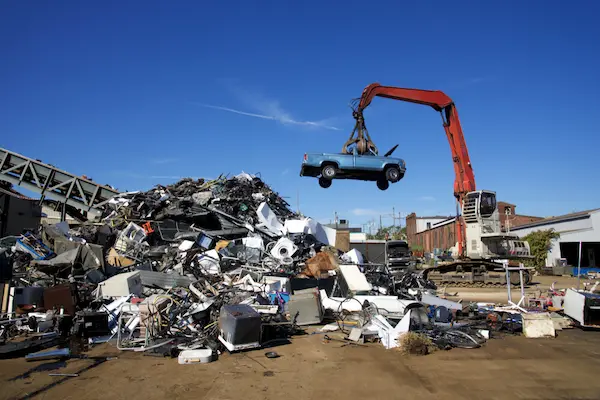
Take the time to find a trustworthy junkyard with positive reviews, proper licensing, and a good reputation. Seek recommendations from friends, family, or local automotive professionals to ensure you make a reliable choice.
Properly Transfer Ownership
Complete all required paperwork, including the title transfer and release of liability forms, accurately and promptly. Ensure that the junkyard follows the appropriate legal procedures to transfer ownership, protecting you from any future liabilities.
Obtain Multiple Quotes
Contact different junkyards to get quotes for your vehicle. This allows you to compare offers and select the one that provides the best value. Be wary of significantly low or high offers, as they may indicate potential issues.
Remove Personal Belongings
Before handing over the car, thoroughly remove all personal belongings and conduct a final check. Leaving personal items behind may lead to inconvenience or loss.
Keep Documentation
Maintain copies of all paperwork, including the title transfer, release of liability, and any receipts or agreements related to the junking process. These documents serve as evidence and protect you in case of any disputes or legal issues.
Alternatives To Junking An Expired Car
If you have an expired car but don’t want to junk it, there are alternative options to consider. Here are 3 common alternatives:
Registration Renewal
One option is to renew the registration for your expired car. The procedure for registration renewal varies depending on your jurisdiction, but it typically involves the following steps:
Check Requirements
Review the renewal requirements set by your local Department of Motor Vehicles (DMV) or equivalent authority. This may include documentation, such as proof of insurance, emissions test results, and payment of renewal fees.
Complete Necessary Forms
Fill out the registration renewal form provided by the DMV or complete the process online if available. Provide accurate information about the vehicle, your contact details, and any required supporting documents.
Pay Renewal Fees
Submit the required payment for the registration renewal. Fees can vary based on factors such as vehicle type, weight, and location. Accepted payment methods may include cash, check, or online payment options.
Receive Updated Registration
Once the renewal process is complete and your payment is processed, you will receive an updated registration certificate and new registration stickers for your vehicle.
Selling The Car
If you prefer to part ways with your expired car, you can explore selling it to individuals or dealers. Here are 2 options:
Selling To Individuals
Advertise your car for sale through various channels such as online classifieds, social media platforms, or local newspapers. Provide accurate information about the car’s condition, mileage, and any issues it may have due to the expired registration. Be prepared to negotiate the price and ensure that you transfer ownership properly by signing over the title and completing the necessary paperwork.
Selling To Dealers
Consider contacting local dealerships or used car lots to inquire if they would be interested in purchasing your expired car. Dealers may offer you a lower price than selling directly to an individual, but the process can be more convenient and faster. Ensure you have the necessary documentation ready, including the title, to complete the sale.
Donating The Car

Donating your expired car to charities or non-profit organizations is another alternative. Here’s what you need to know:
Research Charities
Look for charities or non-profits that accept vehicle donations. Ensure that they are reputable, registered, and eligible to provide you with a tax-deductible receipt for the donation.
Contact The Charity
Reach out to the chosen charity to inquire about their vehicle donation process. They will provide you with instructions on how to proceed, which may include completing a donation form and providing details about the car’s condition and location.
Transfer Ownership
Properly transfer the ownership of the vehicle to the charity by signing over the title. This step ensures that you are no longer liable for the car and any future incidents associated with it.
Obtain Donation Receipt
Once the donation is complete, the charity will provide you with a donation receipt. Keep this receipt for tax purposes, as you may be eligible for a tax deduction based on the car’s value.
FAQs
1. Are There Risks In Junking A Car With Expired Registration?
If the proper transfer of ownership and liability is not completed, you may still be legally responsible for the vehicle. This could result in fines, accidents, or other issues associated with the car, even after it has been junked.
2. What Alternatives Exist To Junking A Car With Expired Registration?
Instead of junking a car with an expired registration, you can consider alternative options such as renewing the registration, selling it to individuals or dealers, or donating it to charities or non-profit organizations.
Can I Junk A Car With Expired Registration: Final Thought
In conclusion, while it is possible to junk a car with an expired registration, there are important considerations to keep in mind. Junking an expired car requires proper transfer of ownership and liability to avoid potential legal and financial risks.
Additionally, exploring alternatives such as registration renewal, selling the car, or donating it to charitable organizations can offer different benefits and options.
It is crucial to research and make informed decisions based on individual circumstances, ensuring compliance with local laws and maximizing the value of the vehicle.
Whether choosing to junk or explore alternatives, being well-informed and following proper procedures is key to a smooth and satisfactory outcome.