How Many Junk Cars Can You Have On Your Property?
Have you ever wondered how many junk cars can you have on your property? It’s a question that often sparks curiosity and concern for those dealing with old, unused vehicles.
Whether you’re a car enthusiast with a penchant for salvaging parts or simply someone who hasn’t gotten around to disposing of that rusty clunker in the backyard, understanding the regulations surrounding junk cars is essential.
In this article, we’ll delve into the topic and shed light on the factors that influence the number of junk cars allowed on your property.
So, let’s explore the rules and guidelines that may determine whether you can keep that collection of automotive relics or if it’s time to start thinking about alternative solutions.
Table of Contents
Local Regulations

When it comes to the number of junk cars allowed on your property, understanding local regulations is key. City, county, and state laws play a crucial role in determining the limits and guidelines for keeping abandoned or non-functioning vehicles.
Additionally, there may be distinctions between regulations for residential and commercial properties.
Researching City, County, And State Laws
Before determining the number of junk cars you can have on your property, it’s crucial to research the specific laws and regulations in your area.
Different jurisdictions may have varying rules, so it’s essential to consult the appropriate government authorities.
City, county, or municipal offices, as well as departments such as zoning, code enforcement, or public works, can provide valuable information regarding the limits on junk cars.
By understanding these laws, you can ensure compliance and avoid potential fines or penalties.
Differentiating Residential And Commercial Properties
Another factor to consider is the distinction between residential and commercial properties. In many jurisdictions, there are separate regulations for these property types when it comes to housing junk cars.
Residential properties, such as single-family homes or apartments, often have stricter limitations due to concerns about neighborhood aesthetics and property values.
On the other hand, commercial properties, such as warehouses or auto repair shops, may have more lenient rules, taking into account the nature of their operations.
Limits On Junk Cars
When it comes to how many junk cars can you have on your property, there are specific limits imposed by regulations that you must be aware of. Understanding these restrictions is essential to ensure compliance and avoid potential legal issues.
Exploring Restrictions Imposed By Regulations
Different jurisdictions have specific regulations in place to address the storage of junk cars.
These regulations may dictate the maximum number of junk cars allowed on your property or impose restrictions based on factors such as property size or zoning designations.
Some areas may require permits or licenses to keep a certain number of junk cars. It is crucial to familiarize yourself with these regulations to avoid any violations.
Factors Influencing The Allowed Number Of Junk Cars
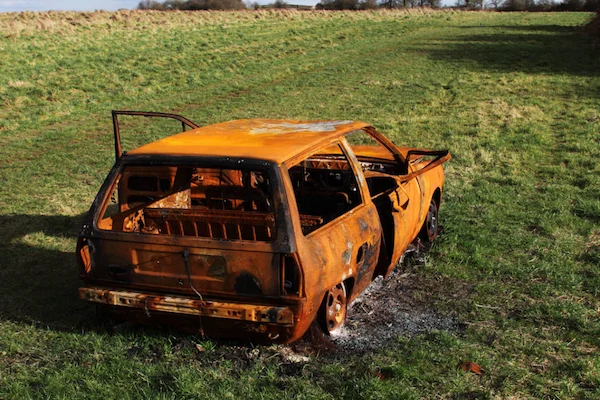
Several factors can influence the allowed number of junk cars on your property. Local laws may consider aspects such as the impact on public health and safety, environmental concerns, and neighborhood aesthetics.
Zoning regulations might also play a role, as certain zones may have stricter rules regarding the storage of non-operational vehicles.
Property size, proximity to neighbors, and homeowner association guidelines can also impact the limitations on junk cars.
Consequences Of Violations
Failure to comply with the regulations regarding junk cars on your property can have various consequences. From financial penalties to negative impacts on property aesthetics and values, understanding the potential ramifications is crucial.
Penalties And Fines For Non-Compliance
Violating regulations regarding the number of junk cars can result in penalties and fines imposed by local authorities. These fines can vary depending on the severity of the violation and the specific regulations of your area.
Repeated offenses may lead to escalating penalties, making it important to adhere to the set limitations.
Impact On Property Aesthetics And Values
Excessive junk cars on your property can negatively impact its aesthetics, which may not only affect your enjoyment of the space but also that of your neighbors.
Furthermore, a cluttered and unsightly property can potentially lower the values of surrounding properties, leading to dissatisfaction among neighbors and potential legal disputes.
It is essential to consider the visual impact of junk cars and maintain a well-kept property.
Complying With Regulations
To ensure compliance with regulations and avoid potential consequences, there are several options available for dealing with excess junk cars. We discussed 3 things –
Disposing Or Selling Excess Junk Cars
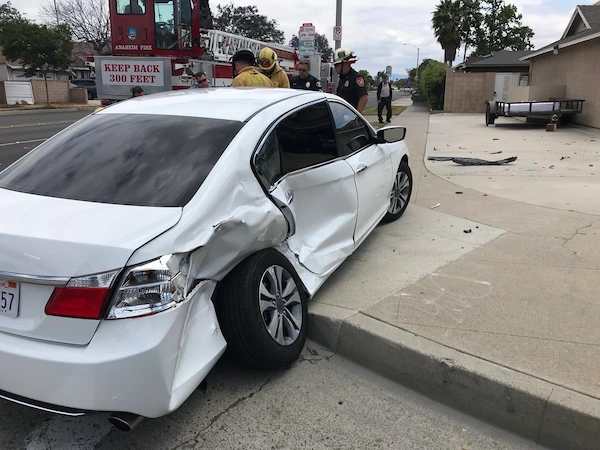
One option is to dispose of or sell your excess junk cars. Local authorities often provide guidelines for proper disposal methods, which may involve contacting authorized scrap yards, salvage yards, or recycling centers. Selling salvageable parts or whole vehicles to interested buyers is another possibility.
Renting Off-Site Storage
If you wish to keep additional junk cars but exceed the limits allowed on your property, renting off-site storage, such as a storage unit or a garage, can be a viable solution. This allows you to adhere to regulations while still retaining ownership of your vehicles.
Utilizing Licensed Junk Yards Or Salvage Yards
Licensed junk car dealers, junk yards, or salvage yards can be an option for storing and managing your excess junk cars. These facilities are regulated and can provide a designated space for keeping non-operational vehicles in accordance with local laws.
Alternative Disposal Options
When it comes to getting rid of junk cars, there are alternative disposal options available beyond keeping them on your property.
These options provide environmentally friendly and responsible ways to manage your unwanted vehicles.
Selling To Reputable Buyers Or Scrapyards
If your junk car still holds value, consider selling it to reputable buyers or scrapyards. These buyers often specialize in salvaging usable parts or recycling the materials.
Research local junk car dealers, scrapyards, or salvage yards in your area and choose reputable ones that adhere to proper environmental and legal practices.
Donating To Charities Or Organizations
Another option is to donate your junk car to charities or non profit organizations that accept vehicle donations.
Many charitable organizations have programs in place to accept old cars, which they can either sell to generate funds or use for their own purposes. Ensure that the organization you choose is legitimate and has a proper vehicle donation process in place.
Exploring Recycling Programs
Junk cars contain various materials that can be recycled, such as metal, plastic, and glass. Research recycling programs in your area that accept old vehicles.
These programs often dismantle the cars and recycle the components appropriately. Recycling helps minimize the environmental impact of junk cars and promotes the efficient use of resources.
Responsible Junk Car Management
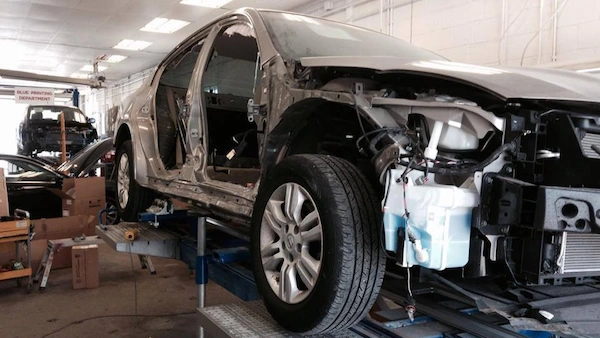
Proper junk car management involves considerations beyond disposal methods. It’s important to be mindful of environmental and safety concerns and to be considerate of your neighbors.
Environmental And Safety Considerations
When handling junk cars, be aware of potential environmental hazards such as leaking fluids, batteries, and other toxic substances.
Properly drain and dispose of fluids and remove the battery before disposal or sale. Additionally, take precautions to avoid any potential safety risks associated with dismantling or moving heavy parts.
Being A Considerate Neighbor
Maintaining a clutter-free and well-kept property not only benefits you but also contributes to the overall appearance of your neighborhood. Consider the visual impact of junk cars and ensure they do not create an eyesore.
Be mindful of local regulations and the concerns of your neighbors when it comes to storing and maintaining junk cars on your property.
FAQs
1. Can I Keep An Unregistered Car In My Driveway?
The permissibility of keeping an unregistered car in your driveway depends on local laws and regulations. Consult your local authorities for accurate information regarding the specific rules in your area.
2. What Are The Consequences Of Having Too Many Junk Cars?
Having too many junk cars can result in penalties, fines, complaints from neighbors, and potential decreases in property values.
3. How Can I Dispose Of Excess Junk Cars Legally?

You can dispose of excess junk cars legally by selling them to licensed buyers or scrapyards, donating them to charities or organizations, or utilizing recycling programs. Ensure compliance with local regulations and follow proper disposal procedures.
Conclusion
Understanding and complying with local regulations regarding junk cars is essential for responsible property management. Having too many junk cars can result in penalties, aesthetic issues, and potential property value decreases.
Dispose of excess junk cars legally by selling to licensed buyers, donating to charities, or utilizing recycling programs. By being informed and considerate, you can maintain a clean and compliant property environment.