Can I Junk A Car Not In My Name?
Do you have a junk car that belongs to someone else? Are you wondering “Can I junk a car not in my name?”
The answer is yes, you can junk a car that’s not in your name. However, there are some requirements you need to meet to do so.
In this article, we’ll explain what those requirements are and how you can go about junking a car that’s not in your name.
We’ll also provide some tips on how to get the most out of your junk car.
So, whether you’re a friend or family member of the owner, or you just found a junk car on the side of the road, read on to find out how you can junk it and get some cash in your pocket!
Table of Contents
Verifying Ownership And Authorization

So, can I junk a car not in my name? If you are asking the same question, the very first important step is to verify the ownership.
This phase involves 3 key sub-topics that you must navigate with caution:
Confirming Car Ownership Status:
Efficiently establishing the ownership status of the vehicle is paramount.
Ensure you have access to the vehicle’s title or registration documents, as they provide concrete evidence of ownership.
This documentation will also be vital when proceeding with the junking process.
Obtaining Legal Authorization To Junk:
Junking a car that you don’t own necessitates explicit permission from the legal owner.
Secure written authorization or a signed agreement from the owner, granting you the right to dispose of the vehicle.
This document will protect you from potential legal repercussions and demonstrate your legitimacy in the process.
Checking State-Specific Requirements:
Junking a car is subject to state laws and regulations, which can vary significantly.
Familiarize yourself with your state’s specific requirements for junking vehicles not registered in your name.
Some states may have additional steps or paperwork, and compliance is essential to avoid any complications during the disposal process.
Exploring Ownership Transfer Options
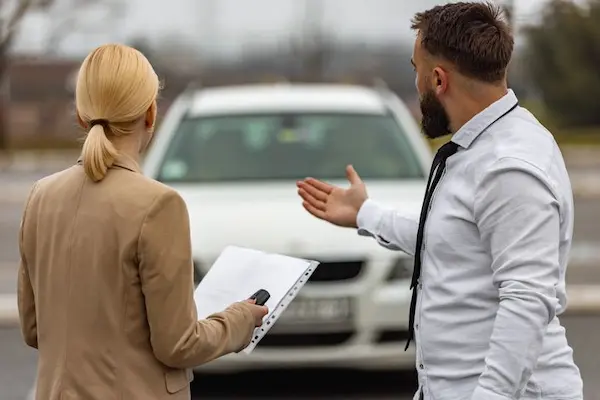
Once you have verified ownership and obtained proper authorization, the next phase involves exploring various options for transferring ownership, if necessary.
This stage is crucial to ensure a smooth transition of the vehicle’s legal rights:
Transferring Ownership To Your Name:
If the car’s current ownership status is unclear or requires modification, consider transferring the ownership to your name before proceeding with junking.
This step might involve going through the appropriate channels at the Department of Motor Vehicles (DMV) to update the title.
Coordinating With The Legal Owner:
Maintaining open communication with the legal owner throughout the process is vital.
Keep them informed about your intentions and progress, ensuring transparency and cooperation.
This collaboration will help avoid potential misunderstandings and pave the way for hassle-free disposal.
Seeking Power Of Attorney, If Applicable:
In certain situations where the car owner is unable to handle the disposal process themselves, you may need to acquire power of attorney.
This legal document grants you the authority to act on the owner’s behalf and manage the junking process effectively.
Consulting With Junkyards Or Buyers
As you move closer to the junking process, engaging with junkyards or potential buyers becomes pivotal.
Navigating this phase requires careful consideration and effective communication:
Discussing Ownership Situation With Junkyards:
Reach out to local junkyards or prospective buyers to discuss the unique ownership situation of the car.
Communicate openly about the vehicle not being in your name and provide the necessary documentation to establish your authorization for junking.
Exploring Options For Non-Title Owners:
Some junkyards may accept vehicles from non-title owners, but the options might be limited.
Inquire about the specific criteria and restrictions they have in place for such transactions.
Be prepared for possible lower offers due to the increased risk involved.
Understanding Junkyard Policies And Requirements:
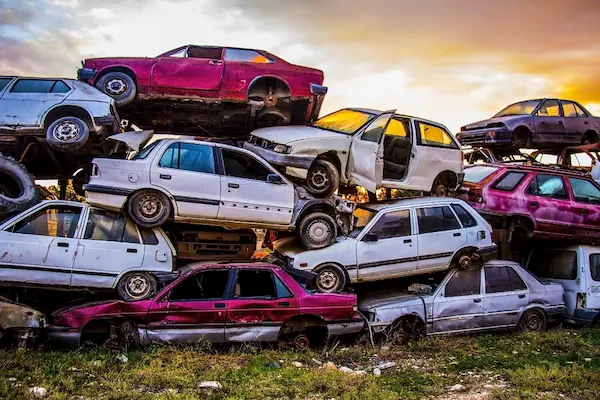
Different junkyards have varying policies and requirements for accepting vehicles.
Familiarize yourself with their procedures, towing policies, and any additional fees that may apply.
Choose a reputable junkyard that complies with legal standards and environmentally responsible disposal practices.
Proceeding With Junking Process
With a suitable junkyard or buyer identified, it’s time to initiate the junking process.
This phase involves fulfilling the necessary paperwork and complying with their requirements:
Completing Necessary Paperwork And Forms:
Gather all the essential paperwork, including the title, authorization letter, and any specific forms required by the junkyard or buyer.
Thoroughly fill out the documentation to avoid delays or complications during the transaction.
Providing Proof Of Ownership Authorization:
Present the junkyard or buyer with written authorization from the legal owner, giving you the right to junk the vehicle.
This proof is vital to ensure a legal and smooth transaction.
Scheduling Car Inspection And Pick-up:
Coordinate with the junkyard or buyer to schedule a car inspection and pick-up.
Ensure that the vehicle is accessible and ready for collection on the agreed date.
The junkyard may also evaluate the car’s condition to determine its value.
FAQs
1. What Documents Do I Need To Prove Ownership Authorization?
To prove ownership authorization, you typically need a written authorization letter from the legal owner, granting you permission to junk the car.
2. Is It Possible To Transfer Ownership To My Name For Junking Purposes?
Yes, transferring ownership to your name may be possible for junking purposes. Check with your local DMV for specific procedures.
Conclusion
Junking a car not in your name may seem like a daunting task, but with careful adherence to legal processes and communication, it can be accomplished successfully.
Verifying ownership, obtaining proper authorization, and complying with state regulations form the bedrock of a legitimate junking endeavor.
Engaging with reputable junkyards, completing required paperwork, and scheduling the pick-up will finalize the process
This allows the vehicle to embark on its final journey toward recycling or responsible disposal.
Always remember to prioritize transparency, legality, and environmental consciousness throughout the entire process.
With these considerations in mind, you can navigate the uncharted territory of junking a non-owned car with confidence and responsibility.